Fanatics Now Owns Every Major Card License
As of April 1, 2026, one company controls every newly issued licensed sports trading card in America. Fanatics — through its subsidiary Topps — now holds exclusive, long-term licensing deals with the NFL, NBA, and MLB, plus their respective players’ associations.
Six deals. Up to twenty years each. No competing manufacturer. No alternative product.
For the first time since the junk wax era, collectors buying new cards from any major sport are buying from a single source — and the courts just told them there’s nothing they can do about it.
The final piece fell into place on April 1, when Panini’s NFL trading card license officially expired and Topps was announced as the NFL and NFLPA’s exclusive licensee. The first product, 2025 Topps Chrome Football, is set for an April 15 release.
Fanatics already held MLB exclusivity through Topps and signed the NBA away from Panini for 2026 onward.
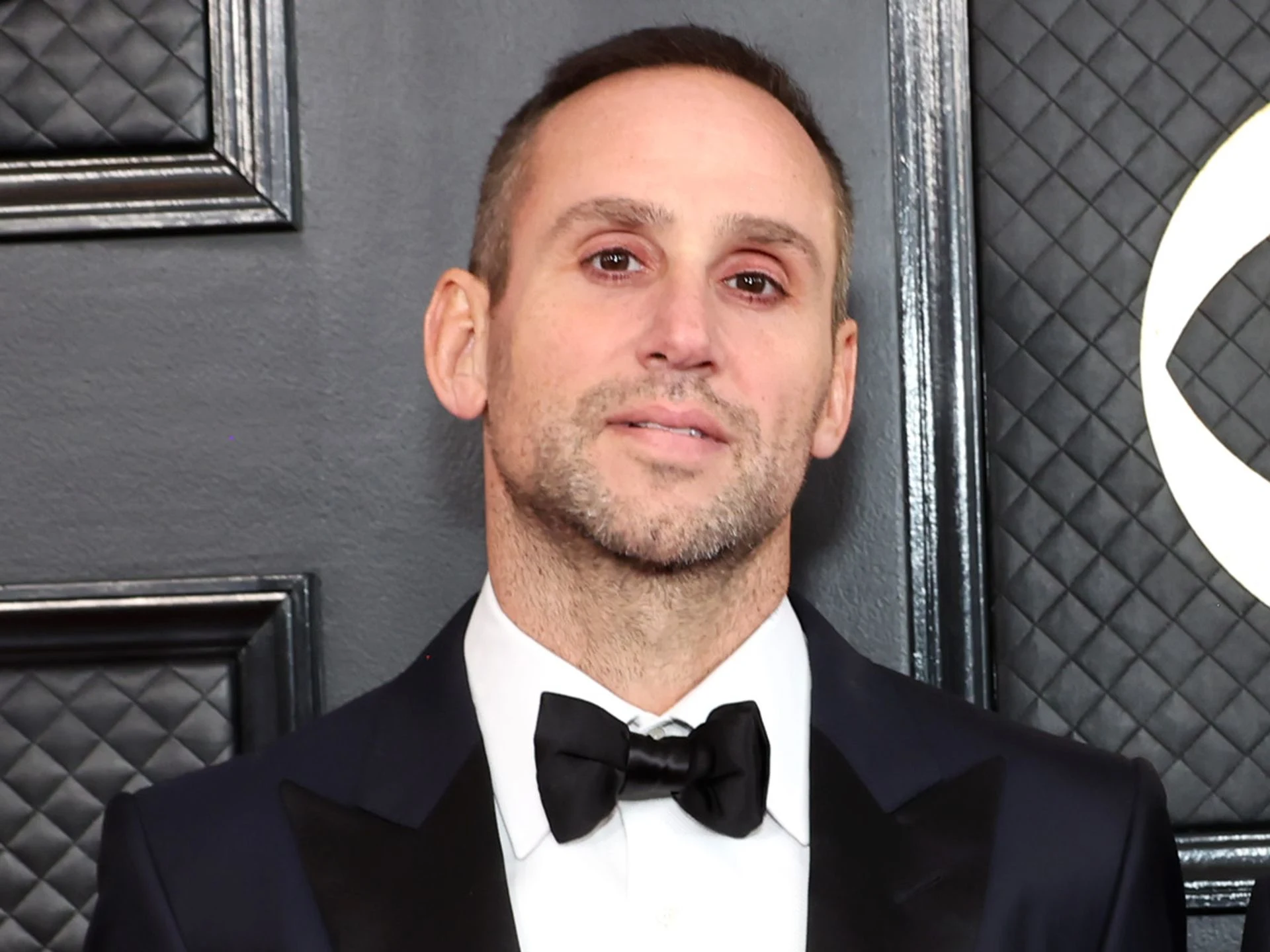
The consolidation didn’t happen overnight. Starting in 2021, Fanatics CEO Michael Rubin executed a licensing blitz, signing 10- to 20-year exclusive contracts with every major North American sports league and players’ union.
The strategy, as outlined in a class action complaint filed by DiCello Levitt, involved offering equity stakes in Fanatics Collectibles to leagues and players’ associations — effectively giving them a financial interest in the monopoly’s success.
The collective equity stake held by leagues and players’ associations is estimated at $5 to $10 billion. That’s not a licensing fee. That’s an ownership incentive — the leagues profit when Fanatics profits, and Fanatics profits when there’s no competition.

Two separate legal challenges have tried to hold Fanatics accountable. Neither has succeeded so far.
A consumer class action filed in July 2025 alleged that Fanatics conspired with the NFL, NBA, MLB, their players’ associations, and OneTeam Partners to monopolize newly issued licensed cards, inflate prices, and eliminate consumer choice.
A New York federal judge dismissed the case — but not because the monopoly claims lacked merit. The judge ruled the plaintiffs couldn’t prove they had actually overpaid, partly because when the suit was filed, Panini still held the NFL and NBA licenses.
The dismissal was without prejudice, meaning it can be refiled. The plaintiffs’ attorneys say they’re evaluating next steps.
Panini’s own antitrust lawsuit, filed separately, continues to work through the courts. In March 2025, a judge allowed the core monopoly claims to proceed. Panini alleges that Fanatics offered leagues equity in exchange for exclusive deals of such extreme length that competition becomes structurally impossible.
Meanwhile, the Sports Fans Coalition has documented what collectors already know from experience: higher prices, reduced product variety, fewer autograph options, and diminished quality control.
What used to be competitive pressure between Topps, Panini, and Upper Deck is now a single company deciding what gets made, how much it costs, and when you can buy it.

This isn’t new. The sports card industry has seen monopoly before — Topps held exclusive MLB rights for decades until the courts broke it up in the 1980s.
What followed was the most innovative, competitive era in card history. Multiple manufacturers meant multiple designs, price points, and quality standards. Collectors had choices, and companies had to earn their business.
Fanatics has rebuilt that monopoly, but with a modern twist: instead of one league, they locked up all of them. Instead of a handshake deal, they used equity stakes to align the leagues’ financial incentives with exclusivity.
The University of Illinois Law Review called it the “re-monopolization” of the U.S. sports trading card industry. Notably, Congressman Pat Ryan asked the FTC to investigate monopoly concerns in card grading — specifically PSA’s acquisitions of SGC and Beckett — in December 2025. If Congress is willing to scrutinize consolidation on the grading side, the licensing side deserves the same attention.
If you collect new sports cards from any major league, you are now buying exclusively from Fanatics-owned Topps. There is no alternative manufacturer.
If you don’t like the price, the design, the card stock, or the hit rates — there’s nowhere else to go. The incentive is volume and margin, not innovation and quality.
Fanatics has promised broader availability and lower entry pricing long-term. Maybe they deliver. But promises from a monopoly aren’t the same as pressure from a competitor.
The consumer class action was dismissed on a technicality, not on the merits. Panini’s case is still alive. And the 20-year deal timelines mean that even if regulators act, the structural damage may already be locked in for a generation of collectors.
Fanatics didn’t break any laws that a court has confirmed — yet. But they built a structure where one company controls every major sports card license in America for up to two decades, and the leagues that were supposed to represent competitive markets took equity to make it happen.
Until Congress, the FTC, or the courts force structural change, collectors have exactly one option. I’m watching Panini’s antitrust case and whether the consumer plaintiffs refile now that Fanatics actually holds all three licenses.

Written by
Grayson Bryce Thompson
Grayson writes about the sports card hobby — the money, the frauds, and the stories the industry doesn't want told. He's been collecting since the junk wax era and still has the boxes to prove it.