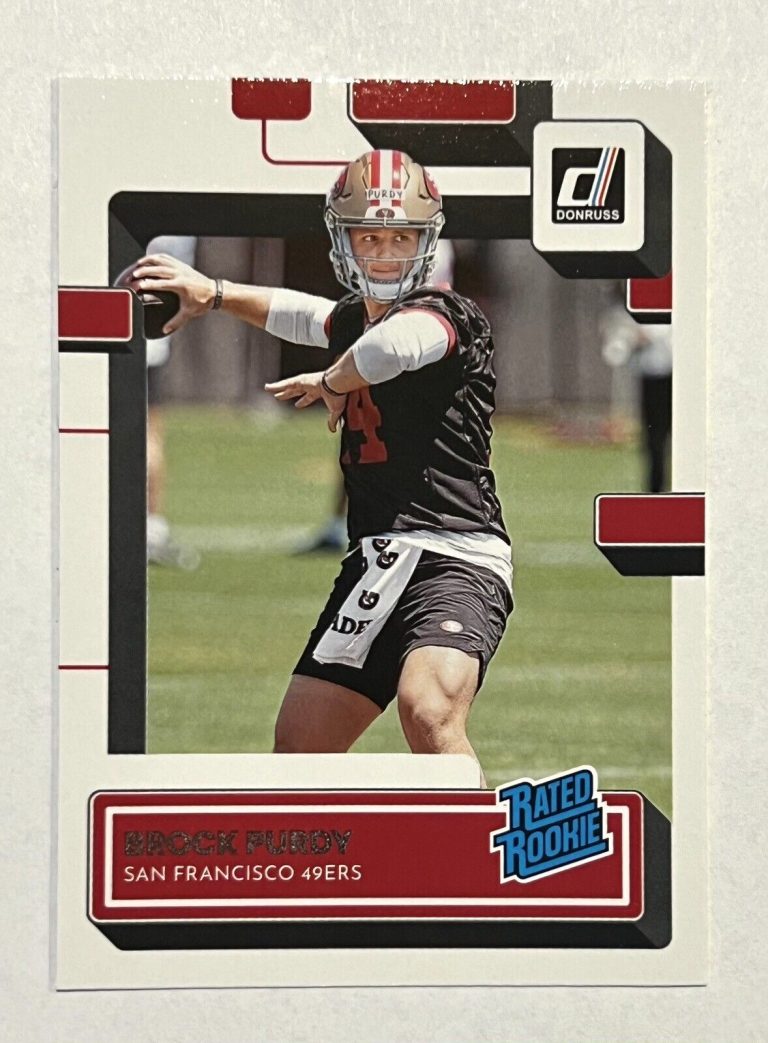
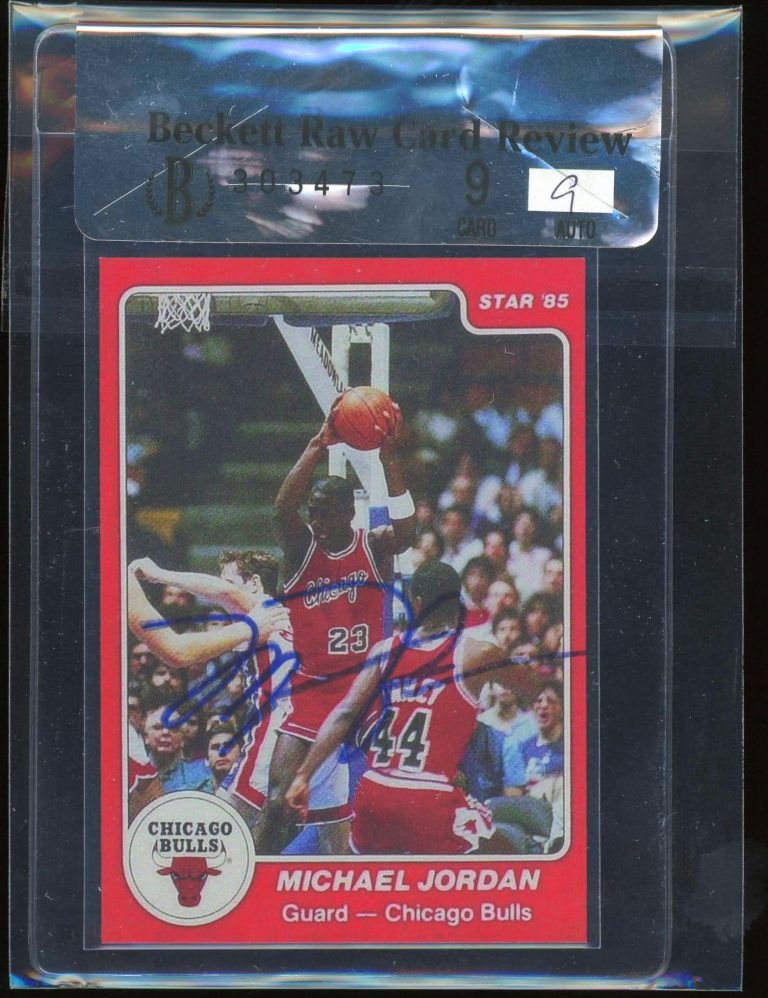
Baseball Card Collector Predicts “Hobby Revolt” Over Grading Costs and Fanatics Pricing
Sports card collectors are hitting a breaking point with grading companies, Fanatics pricing, and breaker practices, according to a YouTube creator whose recent video is resonating across the hobby.
Mike, who runs the channel “Baseball Collector,” argues the hobby itself is healthy and growing, but the industry side is pushing collectors toward a revolt.
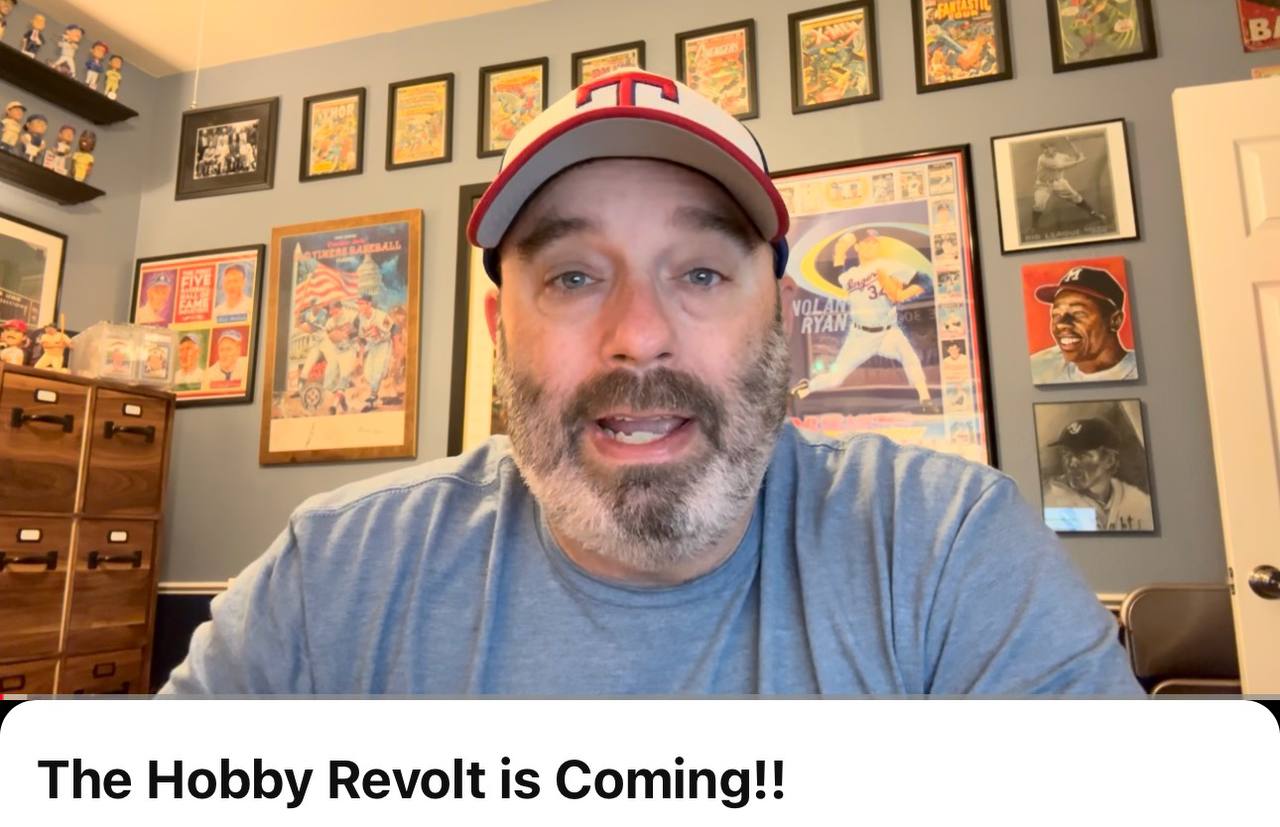
“The hobby is bigger and healthier than ever,” Mike says. “But the industry is heading for a collision with collectors.”
He identifies three areas where he expects major pushback:
Grading Companies Under Fire
Mike points to recent videos by hobby YouTuber “Teapot” that highlight grading inconsistencies at PSA, SGC, and Beckett. The videos show cards with similar condition receiving different grades, or the same card receiving different grades when resubmitted.
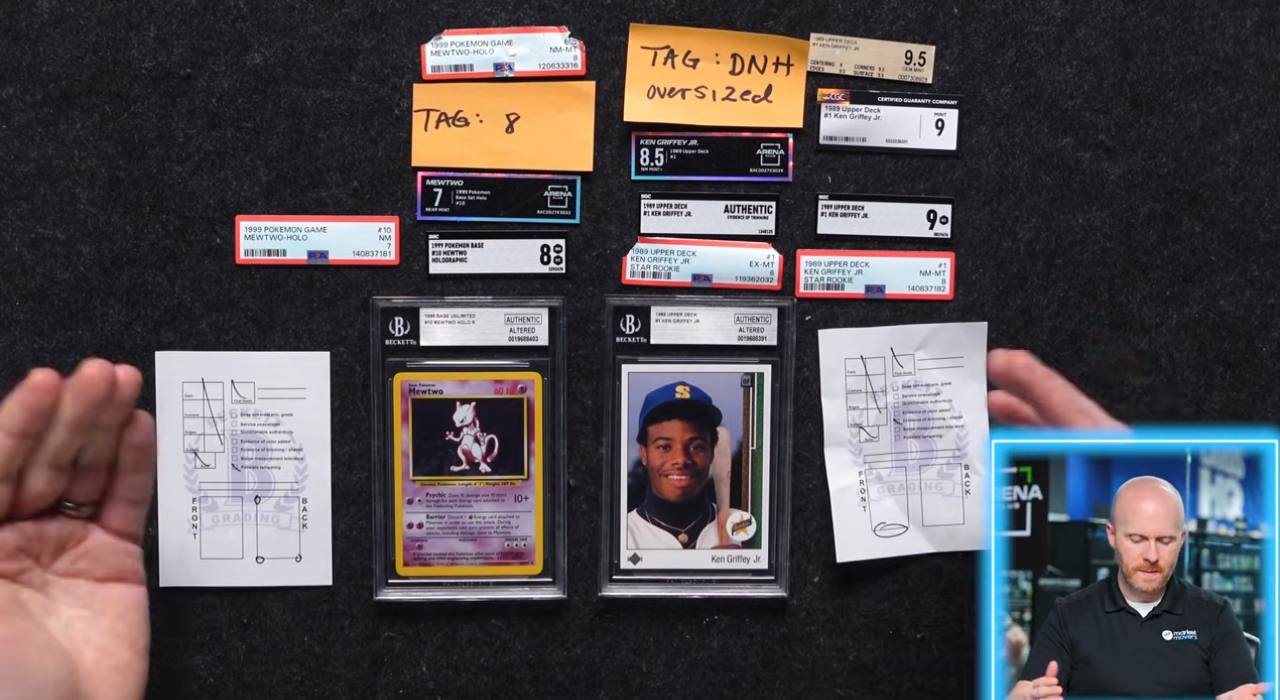
Mike advocates for what he calls “buy 9s, sell 10s” — the idea that collectors should purchase PSA 9 or SGC 9 cards instead of paying premium prices for 10s, since the visual difference is often impossible to detect.
He credits Eric from “Those Back Pages” for originating the concept.
“You can’t visually tell the difference between a 9 and a 10 on modern cards,” Mike argues. “The grading companies can’t consistently tell the difference either, so paying a massive premium for a 10 doesn’t make sense.”
Mike says he hasn’t submitted a card to PSA in a year and a half. He warns that overall grading submission numbers may look strong because Pokemon and trading card game submissions are included, but sports card submissions specifically are where the decline will show.
Fanatics Pricing Collectors Out
Mike says Fanatics has made many products unaffordable for average collectors. Box prices for flagship products have increased significantly since Fanatics took over card production from Topps and Panini.

He argues that high prices are actually accelerating the “revolt” because collectors who can’t afford sealed boxes are simply walking away or shifting to buying individual cards.
“If people can’t afford to open boxes, they just stop buying,” Mike says. “Fanatics has priced a lot of product out of reach.”
Breakers Face Reckoning
While Mike doesn’t think group breaking will disappear, he predicts a “massive pushback” against what he calls “breaker antics” and instances of streamers allegedly cheating customers.
He says breaking can be positive for the hobby when done honestly, but that new collectors often get “sucked in, go into debt, and eventually learn.” He notes that learning curve is getting shorter thanks to YouTube and social media education showing how breaks work.
The Pivot to Raw Cards
Mike’s core advice: stop participating in the parts of the industry that feel predatory. Instead, he encourages collectors to:
- Build sets from raw cards
- Buy singles instead of boxes
- Use their own eyes to judge card quality instead of relying on third-party grading
- Be patient and flexible with collecting strategies
He calls this approach “zig and zag” — doing the opposite of what the industry wants collectors to do.
“Collectors should do what makes them happy,” Mike says. “Don’t let the noise drive you away from the hobby.”
What It Means
Whether Mike’s predictions come true remains to be seen. Grading companies continue to process millions of submissions annually. Fanatics shows no signs of lowering prices. Group breaking remains popular on platforms like Whatnot and YouTube.
But the video’s reception suggests a segment of collectors is looking for alternatives to the current market — and finding community with others who feel the same way.
The video can be viewed at: https://www.youtube.com/watch?v=QXKJhoWfDRM

Written by
Grayson Bryce Thompson
Grayson writes about the sports card hobby — the money, the frauds, and the stories the industry doesn't want told. He's been collecting since the junk wax era and still has the boxes to prove it.